3 September 2026 · Ideal Ferizi
Painting a Listed or Conservation-Area Home in Camden: The Rules
What you can and cannot paint on a listed or conservation-area property in Camden, when you need consent, and why painting brickwork is usually refused.
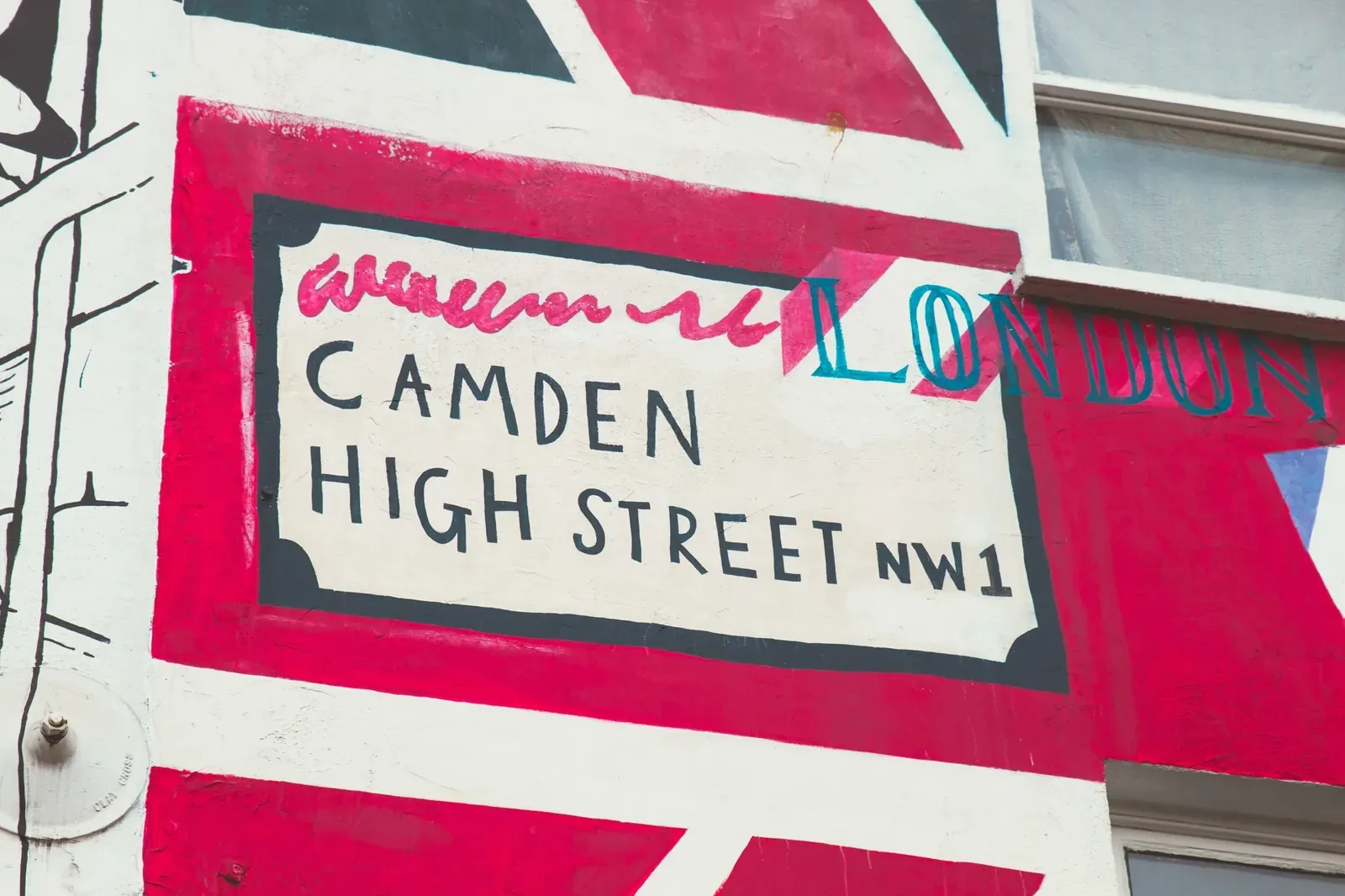
On a listed building or in a conservation area in Camden, repainting previously painted surfaces in a similar colour is usually acceptable, while painting a surface that has never been painted usually is not. Brickwork is the common flashpoint. Listed buildings need listed building consent for anything affecting their character, inside or out, and that is separate from planning permission.
Camden has more of this housing than almost anywhere. Getting the position straight before work starts is the whole job.
How much of Camden this covers
According to Camden Council, there are 40 conservation areas in the borough and they cover about half of it. If you own a period property in Camden, the odds that some form of control applies to your frontage are close to even before you check anything else.
Listing is a separate designation on top of that. A building can be listed, in a conservation area, both, or neither, and the rules stack rather than replace each other.
The three questions to answer first
Is the building listed? Search the National Heritage List for England or ask Camden. If it is listed, listed building consent is always required for works with the potential to affect its character or special interest, and it applies to the interior as well as the exterior.
Is it in a conservation area? Camden publishes the boundaries. Inside one, external alterations that would normally be permitted development often are not.
Is there an Article 4 Direction? Camden uses Article 4 Directions to withdraw permitted development rights in specific areas. This is the one people miss, because a house can be unlisted and still have far less freedom than the owner assumes.
Answer those three and you know which category of job you are in.
Painting brickwork: usually no
This is the question we field most often, and the answer is generally no. Camden’s planning guidance treats the painting of brickwork as unacceptable in conservation areas and on listed buildings.
There are two separate reasons, and both hold up.
The first is appearance. A painted frontage in a terrace of bare London stock brick breaks the run of the street, and conservation areas exist to protect exactly that continuity.
The second is technical, and it outlasts any change in planning fashion. Solid brick walls built before 1919 were designed to absorb moisture and release it again. A film-forming masonry paint blocks the release, so moisture accumulates behind it and pushes the paint off in sheets while damaging the brick face underneath. We cover this in detail in our post on breathable paint for old houses.
Once brick has been painted, taking it back is slow, expensive and risks damaging the brick face. It is close to a one-way decision, which is a large part of why councils resist it.

What you can normally do
Repainting what is already painted, in a colour consistent with the property and the street, is the ordinary case and rarely causes trouble. That covers most real work on these buildings:
- Timber sash windows, frames and cills
- Front doors and door surrounds
- Painted render and stucco, where it was already painted
- Cast iron railings, balconies and downpipes
- Painted joinery inside the house
Colour is worth checking even here. Historic England notes that some conservation areas apply special controls on external colours, and Camden’s individual conservation area statements often set out what suits that particular street. A stucco terrace where every house shares one off-white is not a street to test a new shade on.
Stucco and render
Painted stucco fronts across Regent’s Park, Primrose Hill and parts of Belsize Park are usually repainted in the established colour for the terrace. Where a whole terrace was designed as one composition, the council will expect it kept that way, and neighbours generally expect the same.
Interiors of listed buildings
Listing covers the inside. Routine redecoration in existing colours is not usually an issue, but three things need care:
Stripping historic paint. Old layers can be part of the building’s interest and can also contain lead. Removing them is not automatically permitted work.
Painting previously unpainted material. Bare stone, unpainted hardwood joinery and exposed timber should stay as they are unless you have consent.
Original decorative schemes. Stencilling, graining, marbling or an intact period scheme is exactly the sort of feature listing exists to protect.
Original cornicing, ceiling roses and panelled doors are usually fine to repaint, and doing it carefully is the point. Cornices clogged by decades of thick emulsion lose their profile, which is a slow way of destroying the detail nobody applied for consent to remove.
How we handle these jobs
We establish the property’s status before quoting, not after. If a job needs consent, we say so, and we will not start work that requires an application which has not been made.
We work on period properties across Highgate, Hampstead and the Camden conservation areas every week. That is practical experience with these buildings and with what Camden’s conservation officers expect to see, stated as experience rather than as an accreditation we do not hold. Where a scheme is finely balanced, the reliable route is a conversation with Camden’s planning team before anyone orders paint.
Our heritage painting service covers period exteriors and interiors, with exterior painting using permeable systems on solid walls and sash window painting for original timber windows.
For a free, no-obligation quote, call us on 07455 705074. We will look at the property, tell you where it sits on listing and conservation area status, and be straight about what needs consent before it can be painted.
Written by

Ideal Ferizi
Co-Owner & Operations Manager, FERIZI LTD (Ferizi Property Services)
15 years in the trade. The company carries £4 million of public liability cover.
Common questions about painting listed and conservation-area homes in Camden
Do I need permission to paint the outside of my house in Camden?
It depends on the property. On an unlisted house outside a conservation area, repainting previously painted surfaces in a similar colour is usually fine. Inside a conservation area or on a listed building the position changes, and painting a surface that has never been painted is the case most likely to need consent. Check with Camden before you start.
Can I paint the brickwork on my Camden house?
Usually not, if the property is listed or in a conservation area. Camden's planning guidance treats painting brickwork as unacceptable in both, because it changes the appearance of the street and traps moisture in walls that were built to breathe. Bare brick that has never been painted should generally stay bare.
Does listed building consent cover interior painting?
It can. Listed status covers the whole building, inside included, so work that affects character or special interest needs consent even indoors. Ordinary redecoration in existing colours is not usually the problem. Stripping historic paint layers, painting previously unpainted joinery or stonework, or altering a decorative scheme can be.
What happens if work is done without consent?
Unauthorised work to a listed building is a serious matter and the council can require it to be put back. That is why we establish the property's status and the consent position before quoting rather than after, and why we will tell you when a job needs an application before we can start it.
Get a free painting quote in Camden
We visit, give you a fixed price and get started. No obligation.
Get a free quote