15 September 2026 · Ideal Ferizi
Period Property Painters in Hampstead and Highgate: What the Work Actually Involves
What separates a period property painter from a general decorator: old paint layers, lime plaster, sash joinery, consent, and what to ask before you hire.
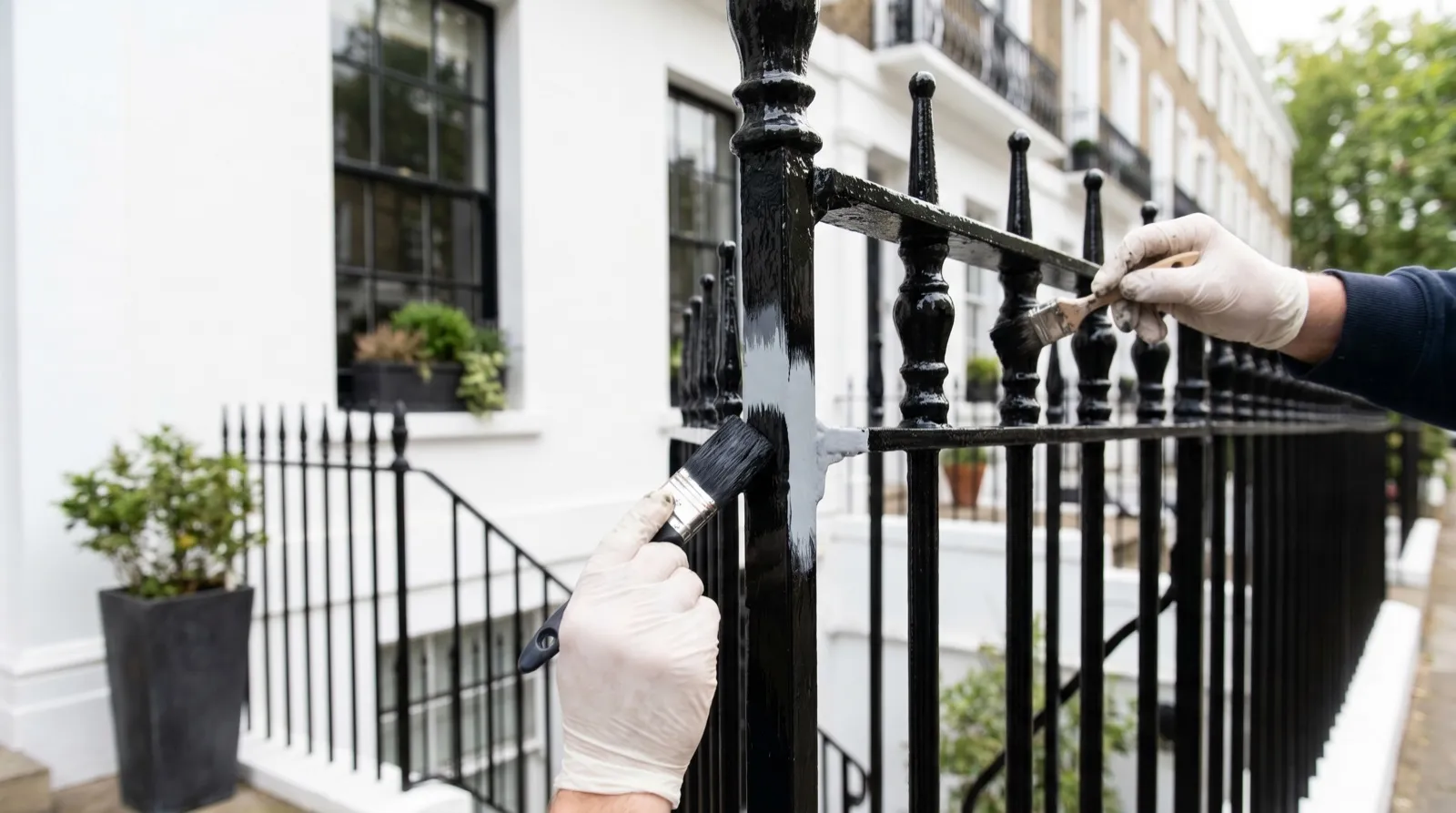
A period property painter plans the job around how an old house was built. Before anything is sanded they find out what is already on the walls and woodwork, choose paint that suits solid walls and lime plaster, repair original joinery instead of replacing it, and flag any consent question on the outside of the house. The brushwork looks the same as any good decorator’s. The preparation is where the two jobs differ.
That matters in Hampstead and Highgate. Camden Council says the borough has more than 5,600 listed buildings, and a large share of the houses in both areas were built long before the modern paints a general decorator reaches for by default.
Why period houses need a different approach
Four things set these houses apart, and each one changes the job.
The layers are old. A Victorian door or skirting board can carry a century of coatings, and the bottom ones were made to a different recipe.
The walls handle moisture differently. Solid brick walls with lime plaster and no cavity were built to let moisture pass through and evaporate. Seal them with the wrong paint and it gets trapped. Our guide to breathable paint for old houses explains the mechanism.
The joinery was built to be repaired. Original sashes, panelled doors and staircases were usually made from high-quality timber that keeps going for as long as it is looked after.
The outside may be controlled. Conservation areas and listing both affect what can be done to a frontage.
A period property painter treats those as the brief. A general decorator tends to treat them as surprises.
The layers you cannot see
The first job on any pre-1970 house is working out what the existing paint is before disturbing it.
Lead is the obvious one. According to UK Health Security Agency guidance, lead paint was common before the 1970s and has not been used since 1992, and before that paint could contain up to 50 per cent lead by weight. The same guidance says it may still be found in Victorian properties, often below newer non-leaded paint, and that exposure is only likely if the paint is deliberately removed or sanded during redecoration.
So the risk sits in the method, not the house. Dry sanding and burning off old layers put dust and fumes into the room. Wet abrasion, chemical strippers and careful dust control keep far less of it in the air. On a family home that is the first question to ask any painter, and the answer should come without hesitation.
Distemper is the other layer that catches people out. Older ceilings were often finished in soft distemper, a chalky paint that emulsion does not grip. Paint over it and the new coat lifts, usually in sheets, and usually from the ceiling first.
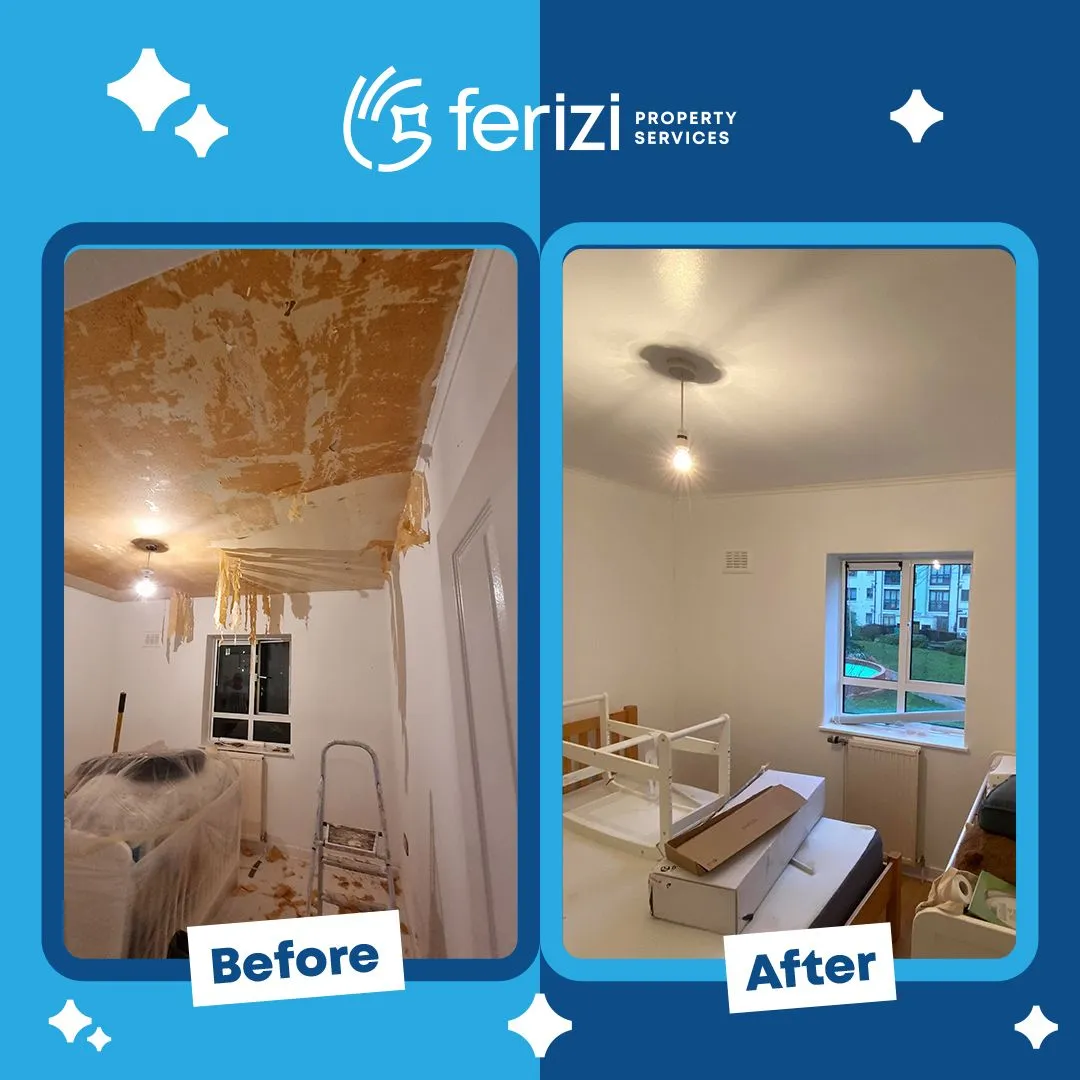
When that happens the fix is to take the ceiling back to a sound surface, make good the plaster and start again with a paint that suits it. That is slower than rolling another coat on, and it is the only version that stays up.
Plaster, cornicing and ceilings
Original lime plaster moves slightly with the building and holds moisture differently from modern gypsum. Filling cracks in it with a hard modern filler leaves a repair that shows through the paint and often cracks again along its edge. Where the damage goes deeper than a hairline, it needs proper plastering with materials that suit the wall before any decorating starts.
Cornices and ceiling roses have their own problem. Decades of repainting fill the detail until a crisp moulding reads as a soft lump. Cleaning out the old paint to recover the profile is slow, detailed work, and it changes the look of a room more than the colour does.
Sash windows and original joinery
Historic England puts it plainly: properly maintained, historic timber windows can last indefinitely, because they were usually made of high-quality durable timber. In our experience many sashes that get replaced only needed easing, new cords and a proper repaint.
Painting a sash properly means painting it in a way that still lets it open. Paint built up across the meeting rails and staff beads is what seals windows shut. A period painter eases the sashes, paints the right faces and leaves them free. Our sash window painting service covers the full process.
The same thinking applies to panelled doors, staircases and shutters. Filling and repairing sound original timber keeps the character of the house. Replacing it rarely matches the grain, the profile or the weight.
Outside the house
Exterior work on a period frontage has three layers of decision: the surface, the paint system and the consent position.
Stucco, render and painted brick each need a different preparation and a coating that lets the wall dry out. Cast iron railings and balconies need rust treated back to sound metal before they are primed. Our exterior painting work on North London houses covers all three.
Consent is the one to settle before anyone quotes. Repainting an already painted surface in a similar colour is usually fine. Painting brickwork that has never been painted usually is not, in a conservation area. Our guide to painting a listed or conservation-area home in Camden sets out the rules. Consents are the owner’s to obtain, and a good painter will tell you when a job needs one rather than finding out halfway up the scaffold.
Choosing colours for a period house
Period colours were mixed from earth and mineral pigments, so they carry soft, slightly muddied undertones that modern brilliant whites do not. The right shade sits comfortably next to original joinery and plasterwork. The wrong one makes a cornice look new and a room look flat.
That is worth getting right before the first coat. Our guide to matching period paint colours in a Victorian property covers undertones and sampling, and a colour consultation settles the scheme on the actual walls in your own light.
What to ask before you hire
These questions sort a period property painter from a general decorator quickly.
- What is on the surfaces now, and how will you find out? Listen for a plan to check for lead and distemper before anything is sanded.
- How will you remove old paint? The answer should rule out dry sanding and burning on older layers.
- Will you repair the joinery or replace it? Repair should be the default for sound original timber.
- Which paint will you use on solid walls? It should be a breathable system, not whatever is on the van.
- Does the outside need consent? They should raise it before quoting, even though the application is yours.
- Can I see period jobs you have done nearby? Ask for photographs of recent work, ideally on houses like yours.
The general checks still apply on top of those: a fixed price, a visit before quoting and proof of insurance. We carry £4 million of public liability cover. Our guide to finding a reliable painter and decorator in Camden covers the rest.
Period property painting in Hampstead and Highgate
Both areas are dominated by exactly the houses this guide describes: Georgian and Victorian terraces, large Edwardian villas and mansion flats, much of it within conservation areas. We work across both, and our Hampstead and Highgate pages cover the local detail.
Our heritage painting service is built around the approach above: finding out what is on the surfaces first, matching materials to the building and repairing what can be kept. It is experience rather than an accreditation, and we will tell you plainly when a job needs a specialist joiner or a consent application before we start.
Written by

Ideal Ferizi
Co-Owner & Operations Manager, FERIZI LTD (Ferizi Property Services)
15 years in the trade. The company carries £4 million of public liability cover.
Common questions about hiring a period property painter
What is a period property painter?
A decorator who works mainly on older houses, usually Georgian, Victorian and Edwardian, and plans the job around how those buildings were made. The difference shows up before any paint goes on: finding out what is already on the surfaces, choosing materials that suit solid walls and lime plaster, and repairing original joinery rather than replacing it.
Should old paint be checked for lead before decorating?
In a house built before 1970, assume it may be there. UK Health Security Agency guidance says leaded paint may still be found in Victorian properties, often below newer paint, and that exposure is only likely when the paint is removed or sanded during redecoration. That makes the removal method the part to ask about. Dry sanding and burning off old layers are what create the risk.
Can you paint straight over distemper?
Not reliably. Soft distemper is chalky and binds poorly, so modern emulsion laid over it tends to flake, often from ceilings first. It usually has to be washed off back to a sound surface before a compatible paint goes on. If a ceiling in an older house is peeling in sheets, distemper underneath is one of the first things we check.
Do I need permission to repaint the outside of a period house in Camden?
Often not, if you are repainting a surface that is already painted in a similar colour. Painting brickwork or stone that has never been painted is a different matter in a conservation area, and a listed building needs listed building consent for works that affect its character. Consent is the owner's to obtain, so check with Camden's planning team before the scaffold goes up.
Get a free painting quote in Camden
We visit, give you a fixed price and get started. No obligation.
Get a free quote